
In the aftermath of Hurricane Sandy, we’ll be greatly in need of consumers to get back to their free-spending ways to put the economy back on track. But while millions are still coping with destruction, death, and power outages, the idea of hosting a hurricane-themed sale is perhaps in bad taste.
Personal Finance
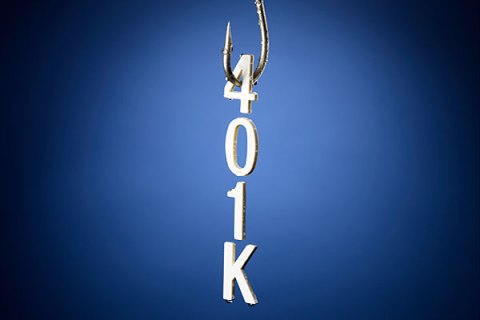
By One Measure, At Least, We’re All Better Off Than We Were 4 Years Ago
Retirement account balances are up in every state since the last presidential election, a new study shows. If only those balances were up as much as the market.
Money Talking: How to Decipher the Bipolar Economy
Consumers are confident, but corporations aren’t. What will it mean for the markets? And, what does the sex abuse scandal at the BBC tell us about the ability of big institutions to govern themselves? For this and more, tune into this week’s episode of WNYC’s Money Talking, with TIME’s Rana Foroohar and Joe Nocera of The New York Times.
Parents Who Argue over Money Connected to Overspending by Kids
Did your parents constantly argue over money when you were growing up? If so, it may have something to do with all that credit-card debt you’ve racked up.
The U.S. Economy’s Split Personality
Is the U.S. economy becoming bipolar? That’s what it seems like if you contrast the behavior of consumers versus corporations lately. Individual shoppers have been as bullish as they have been in years. With stocks relatively high, personal finances in better shape, and the housing market in recovery, American consumers have finally …
Highly Educated Have Biggest Debt Problems
The federal government is suing Bank of America for a $1 billion over the bank’s pre-crisis mortgage practice known as “the hustle.” But it wasn’t just naive home buyers who fed the financial crisis. Renters and the well educated had too much debt too, and a new study concludes that college graduates are most prone to debt mismanagement.
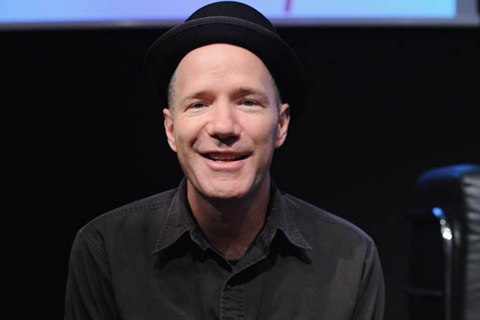
The Poet Laureate of Identity Theft
To literary-minded Americans, he’s a scribe of suburban ennui. To a loose confederacy of Nigerian hackers, he’s a potentially lucrative collection of account numbers and passwords. In both cases, he’s Rick Moody. And after a …
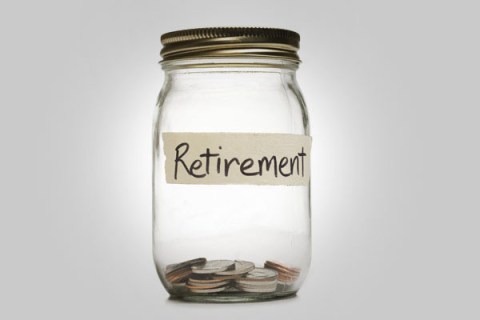
How Saving for Retirement Might Backfire
Saving for retirement is now the top financial goal of the vast majority of people who hold a job, according to a recent T. Rowe Price survey. That’s great news. We have a savings crisis in America and we’re finally taking it …
4 Ways You Pay Too Much–and What to Do About It
By seizing on promotions and not paying attention to new products and changing markets, consumers end up in the wrong loans all the time. They spend an estimated $541 a month more than necessary on their debt repayment. Here’s …

Smaller Cars, Better Mileage: Hot Auto Trends Now – and For Years to Come

Is the U.S. Waging a War on Savers?
Government policies that discourage saving are one of the chief reasons that so many Americans fail to put money away regularly.
Can We Handle the Truth? Public Pensions Are Short on Cash
We are in trying times for sure when the good news about public pensions is that an independent study confirms a huge funding shortfall–and it’s greeted with applause because at least pension managers haven’t been hiding it.