
For better or worse, Americans tend to take it as an article of faith that if someone does you wrong, you can sue. But banks are quietly adding language to their account terms and services that take away your right to a day in court, and the law is on their side.
Banking
Banking’s Really Bad Day
Four years on from the financial crisis, new banking scandals still seem to break out every few months. But this week has been particularly bad for the industry. There was HSBC’s $1.9 billion settlement with the U.S. Justice Department over laundering money for Latin American drug cartels and helping countries like Iran, Cuba, Sudan, …
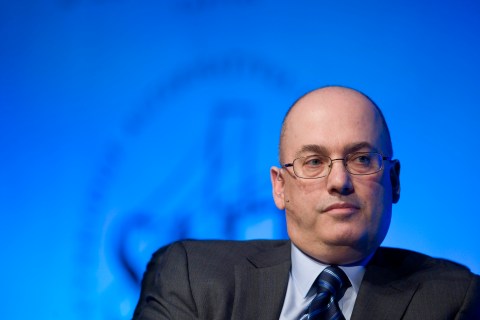
Can the Federal Government Really Deter Insider Trading?
It’s been two decades since Michael Milken, a.k.a. the junk-bond king, pleaded guilty to securities fraud following a blockbuster insider-trading investigation that shined a light on bad Wall Street behavior during the go-go …
Big Bank Epiphany: Adding New Fees May Be Bad For Business
Could 2013 be when big bank customers finally get some relief from the onslaught of fees they’ve weathered in recent years?
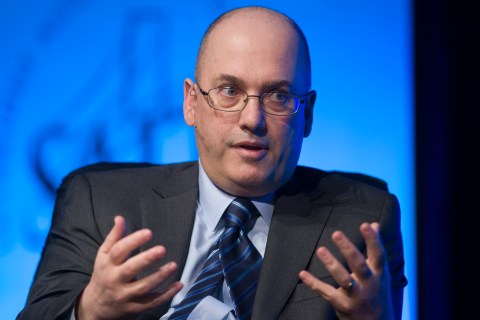
Insider-Trading Scandal: Are the Feds Closing In on Billionaire Hedge-Fund Mogul Steven Cohen?
Billionaire hedge-fund titan Steven A. Cohen, one of the most high-profile and controversial Wall Street figures of the past decade, has been implicated in what federal officials are calling “the largest insider-trading case ever …

Why So Many Americans Don’t Have Bank Accounts
At a time when you can pay bills online and deposit checks remotely using a cell phone, it’s amazing how many Americans don’t have bank accounts. One in nine households is without a checking account.
How Fining Bad Banks Can Fix Our Biggest Money Problems
When the government came down hard on Big Tobacco a decade ago regulators required that a portion of any penalties go toward educating youth on the dangers of smoking. Amid the big bank Libor scandal and a stream of continuing bank fines, regulators now should require that a portion of future bank penalties fund financial education. It’s …

The People’s Bailout: Occupy Wall Street Wants to Forgive Your Debt
During the height of the financial crisis, the federal government pulled out all the stops to ensure the survival of the nation’s largest financial institutions. Along the way, shareholders and creditors of big Wall Street …
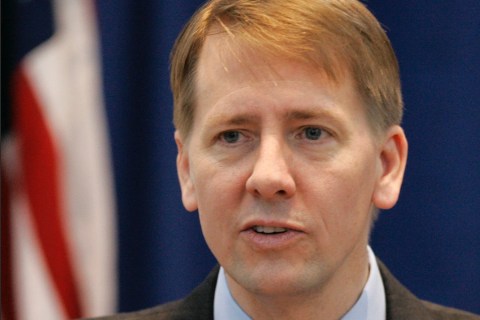
With Obama Win, Wall Street Cop Stays On the Beat
This week’s election was a cliffhanger for many people, but the stakes were higher than most for the director and staff of the Consumer Financial Protection Bureau. The agency, which opened its doors in July 2011, was a …
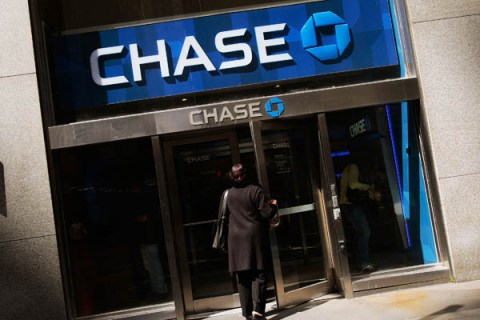
Banks Waive Fees for Residents in Path of Hurricane Sandy
Updated: Tuesday, 12:10 p.m.
Anticipating a storm-related cash crunch and bill-paying delays, Chase and Citibank announced on Sunday that they would waive overdraft, ATM and/or late fees for customers in New York, New Jersey …
Highly Educated Have Biggest Debt Problems
The federal government is suing Bank of America for a $1 billion over the bank’s pre-crisis mortgage practice known as “the hustle.” But it wasn’t just naive home buyers who fed the financial crisis. Renters and the well educated had too much debt too, and a new study concludes that college graduates are most prone to debt mismanagement.

Is the U.S. Waging a War on Savers?
Government policies that discourage saving are one of the chief reasons that so many Americans fail to put money away regularly.