

The Evolving 401(k): Fees are Down; the Match is Up
Take another look at your 401(k) plan. Some important changes have been put in place and may deserve your consideration.
Take another look at your 401(k) plan. Some important changes have been put in place and may deserve your consideration.

Holiday spending is down. Good. Here are five ways to spend on your future before you give in to the Santa impulse.
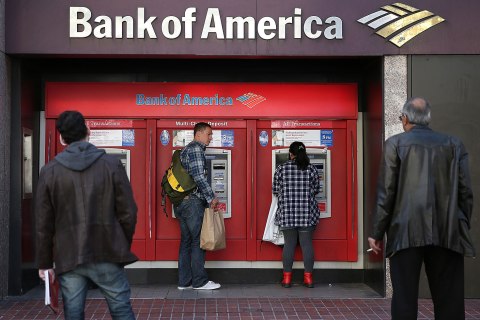
For the first time, a report quantifies what we’re up against in the effort to equip ordinary people with the ability to deal with banks.

More than 60% of people past the age of 50 provide financial support to an adult family member. Almost no one plans for it.
The venerable 401(k) plan has taken a lot of hits in recent years. Yet some flaws have been corrected while others are being addressed. You may not appreciate the way this retirement stalwart has evolved over three decades—or …

A brief guide to sizing up socially responsible spending

You’ve already said goodbye to defined-benefit plans. Now say goodbye to defined-contribution plans, and hello to a promising new wrinkle known as the defined-ambition plan.

Millennials understand that they need to save. Two simple policy shifts will give them the means.

Older folks came through the recession with their wealth and income more intact than other age groups. The difference maker: traditional defined-benefit pensions.

Higher long-term rates make fixed annuities more attractive. Pre-retirees had a good thing going–until the Fed decided not to curb its stimulus program.

Having grown up with social media and in a time of financial crisis, Millennials lean on each other for financial advice. Is this anyway to build a nest egg?

Taking the reins from an elderly family member can lead to discord. Here’s a 4-point guide to doing it right.