
How Lack of Confidence Could Make You Rich
Over confidence and under confidence are both problems when it comes to saving for retirement. But a survey suggests the latter do better.
Over confidence and under confidence are both problems when it comes to saving for retirement. But a survey suggests the latter do better.
Three quarters of mega gifts go to charities that do comparatively little good and are laced with personal benefits, one expert finds.

Doubters of financial education make four great points but reach the wrong conclusion every time.

Companies are taking on the roll of personal financial adviser to their employees–and it just might work.

As banks scramble to understand the needs of Millennials, one thing remains clear: saving early is this generation’s silver bullet.

Americans waste about $1,000 each on failed New Year’s resolutions. Here are some that are free–and you might keep.
Billionaires are giving in big numbers again, reflecting a strong stock market and rising confidence among the super rich

Homebuyers are in a sudden headwind of rising home prices, mortgage rates and lending limits.
The shifting landscape around retirement and healthcare has human resources professionals struggling like the rest of us. The good news: employers are offering more access to third-party advice.

Almost everyone aspires to travel in retirement and almost no one factors the expense into their plans. This is one of retirees’ biggest regrets, and it shuts them off from valuable health benefits.
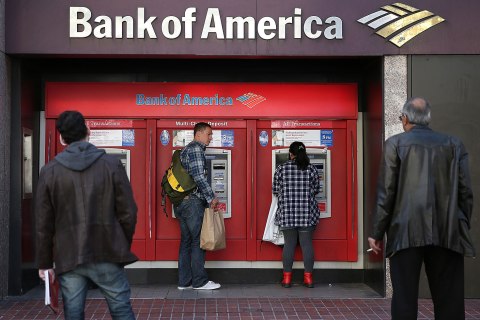
Some 2.5 billion people have no access to basic financial products like insurance and credit cards. Fixing that would fix a lot of the world’s poverty problems.
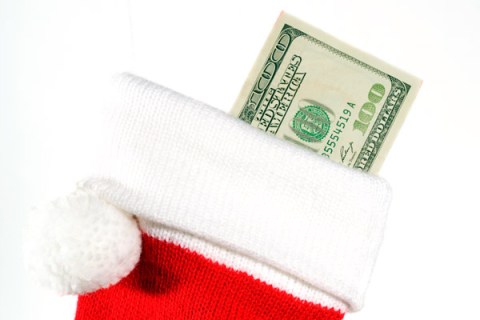
Stumped for a meaningful holiday gift for the kids or grandkids? These presents give for a lifetime.